Sustainability in Urbana
We recognize the Cedar Bog Nature Preserve is a unique and ecologically vital natural treasure. We are fully committed to a responsible development that honors and protects this resource. Below you will find additional details and explanations on how our planned construction and operation will not interfere with the preserve. We know there are concerns. The way we build and operate data centers is intended to address those concerns.
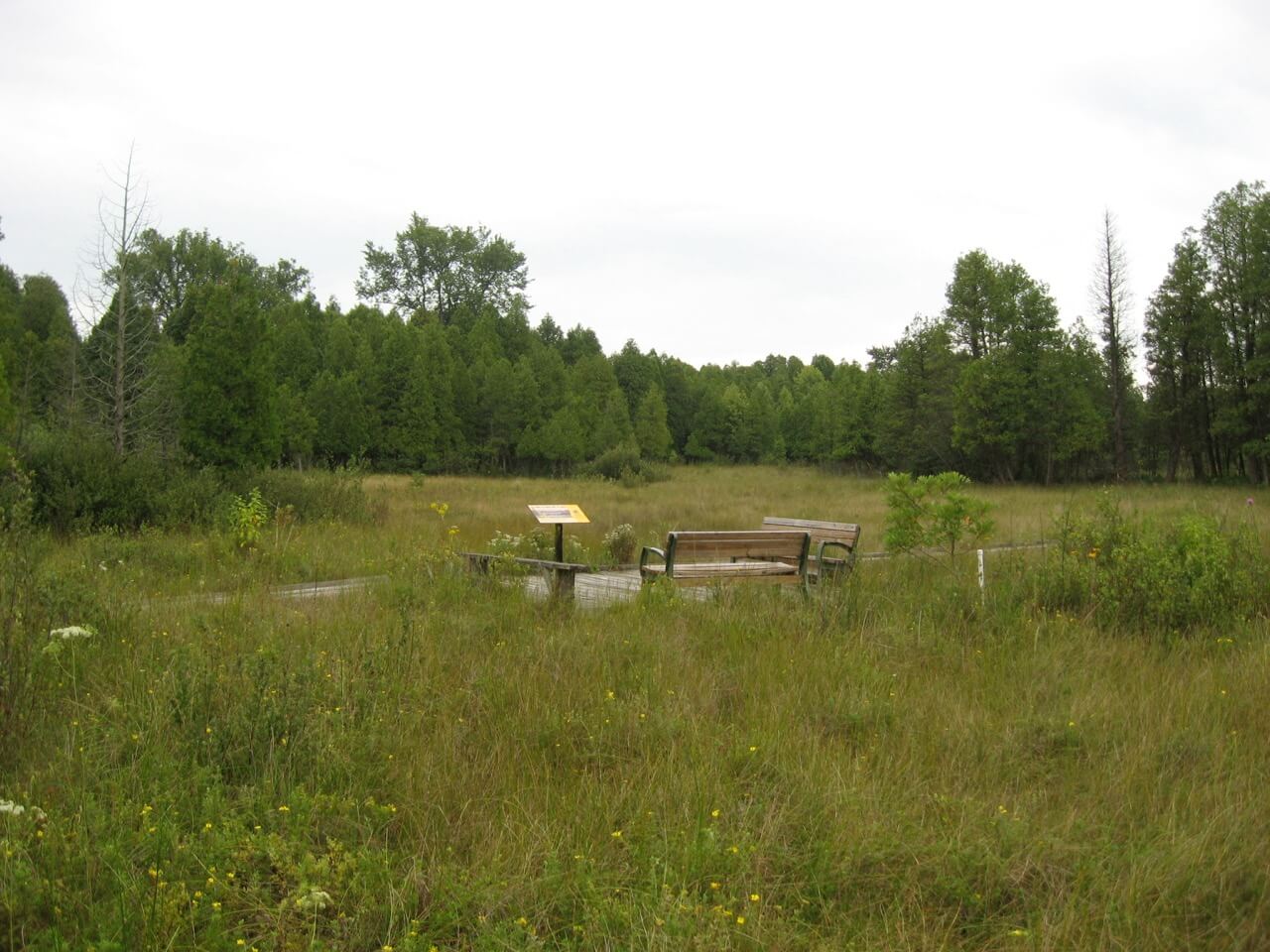
Groundwater Level
Responsible water use is very important to this project. Our approach will protect groundwater in several ways:
- We are not operating our own well. Water is supplied by the local municipality, and we are only asking for enough water for bathrooms, humidification, fire safety, facility maintenance, and landscaping—not for cooling. The city is not concerned with the project's water demands.
- While some data centers use large quantities of water, our closed-loop cooling technology means we do not evaporate water for cooling: we reject heat to air, like a home air conditioner, rather than by evaporating water, like a swamp cooler. For facilities that do use large volumes of water, cooling is the vast majority of that use. Those designs also tend to produce large volumes of wastewater in the form of blowdown from evaporative cooling systems. Our closed-loop, air-cooled design avoids those outcomes for both water source and discharge.
- Landscaping is planned for pollinator-friendly native plants, which keeps irrigation demand low after establishment.
- Our water needs are a fraction of what an average housing development would use on the same acreage—on the order of one twentieth per acre.
Temperature
Discharging hot water to local streams, open ponds, or underground (for example through geothermal cooling) could change groundwater temperature. However, our facility will be air-cooled and will use no geothermal cooling. We will not discharge water—much less hot water—to local streams, open ponds, or underground injection. Our operations are not expected to affect groundwater temperature.
Chemistry
There are two main risks to groundwater chemistry: construction and operation.
Construction
We take precautions during construction to control stormwater runoff through a Stormwater Pollution Prevention Plan (SWPPP, often pronounced “swip”). That plan addresses runoff from the construction site by stabilizing exposed soil, perimeter controls (such as straw bales and fiber rolls), and many other practices. For example, chemicals stored on site are covered and kept in secondary containment.
Operation
During operation we do not store large quantities of hazardous chemicals on site (maintenance might have small quantities such as spray cans of paint or lubricant). We do not install underground storage tanks. Diesel is stored in an aboveground storage tank on each backup generator, mounted on pavement, and surrounded by secondary containment sized so that if a tank ruptured, the containment would hold the full volume. We will maintain a Spill Prevention, Control, and Countermeasures Plan (SPCC) to help prevent spills (including during refueling) and to keep spills from reaching storm drains, soil, or waterways. Our only planned wastewater discharge is to sanitary and industrial wastewater systems consistent with normal use.
- Because we do not have cooling towers or other evaporative cooling, we do not need to store large quantities of water treatment chemicals on site.
- We will have no regular discharge to open ponds, waterways, or underground injection.
- Pollinator-friendly landscaping includes a sustainable management plan to eliminate or tightly control fertilizers, herbicides, and pesticides.
- We reduce risks of stormwater pollution by not storing raw materials or spare fuel outdoors.